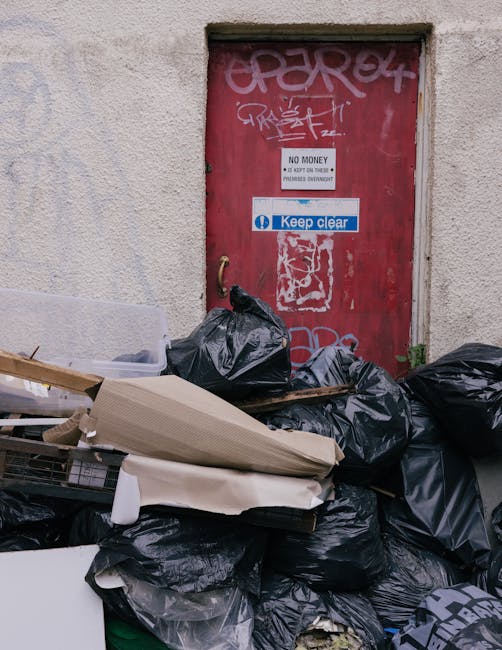
Commercial rubbish removal Neasden for local shops and offices
If you run a shop, cafe, salon, studio, or office in Neasden, rubbish has a habit of building up quietly and then suddenly getting in the way of everything. One week it is a few flattened boxes and some broken shelving. Next week, it is stock packaging, old office furniture, mixed waste bags, and a storeroom you can barely open. That is where Commercial rubbish removal Neasden for local shops and offices becomes more than a convenience. It becomes part of keeping the place safe, tidy, and workable.
This guide explains how commercial clearance usually works, what local businesses should expect, and how to avoid the common mistakes that cost time and money. If you are weighing up one-off removal against a more regular arrangement, or simply trying to get a handle on a busy back room, you will find practical answers here. Let's face it, no one starts the day wanting to think about waste. But once it starts affecting the customer area, staff access, or storage space, it matters quite a lot.
Practical summary: the best rubbish removal service for a Neasden business should be quick, predictable, properly insured, and careful about sorting waste for reuse, recycling, and compliant disposal. Simple enough in theory. Harder in real life, especially when the shop is open and the office still needs to function.
Why Commercial rubbish removal Neasden for local shops and offices Matters
For local businesses, waste is not just something to "deal with later". It affects how smoothly the business runs today. A cluttered stockroom can slow staff down. A blocked service corridor can create trip hazards. Overflowing bags outside can attract complaints. In a busy part of London, that sort of thing becomes visible quickly, and customers notice more than owners sometimes realise.
Shops and offices in Neasden often deal with waste that is a bit awkward rather than neatly domestic. Think cardboard from deliveries, packaging film, old display units, broken chairs, mixed paper, redundant IT equipment, and general junk from a storage clear-out. Some of it can be recycled. Some of it needs separating. Some items are simply bulky and annoying, which, to be fair, is enough reason to get them moved properly.
There is also the practical side of reputation. A tidy back-of-house area suggests control. It tells staff and visitors that the business is organised. A chaotic rear entrance, on the other hand, can make the whole operation feel less professional. That sounds small, but in retail and office environments, small details add up.
If your business handles frequent item replacement, refurbishment, or furniture upgrades, it may help to look at broader services such as business waste removal or, where the main issue is desks, chairs, and filing units, a more focused office clearance. Those services can be useful when your waste is mixed, bulky, or tied to a wider workspace reset.
Expert view: the right rubbish removal plan is not about getting everything out of sight as fast as possible. It is about keeping your business safe, keeping your space usable, and making sure waste leaves in a way that fits the type of material involved.
How Commercial rubbish removal Neasden for local shops and offices Works
Most commercial rubbish removal jobs follow a similar path, though the details vary depending on the size of the premises and the type of waste. In practice, the process is usually straightforward: you explain what needs removing, agree a time, the team arrives, loads the waste, and clears away what they can on the spot. The smoother the preparation, the quicker the job tends to be.
Typical process
- Initial enquiry: you describe the waste, location, access, and any deadlines.
- Assessment: the provider works out what equipment, vehicle space, and labour are likely to be needed.
- Booking: a time is arranged, often with options around trading hours, early mornings, or quieter periods.
- Removal: the team collects the waste, usually from a rear yard, loading bay, shop floor, office, or storeroom.
- Sorting and disposal: items are separated where possible for recycling, reuse, or responsible disposal.
For offices, the removal stage often includes desks, chairs, printers, monitors, filing cabinets, and old storage items. For shops, it may be shelving, packaging waste, POS materials, damaged stock, display fixtures, and clutter from seasonal changes. If the business is undergoing a refit or repairs, you might also need builders waste clearance alongside the commercial removal, especially when plasterboard, timber offcuts, and general refurbishment debris are part of the mix.
A decent provider should ask practical questions before arriving. Is there parking nearby? Is there lift access? Will they need to carry waste through customer areas? Are there heavy or awkward items? Those details sound dull, but they save everyone a headache on the day. And sometimes they save your back too.
What usually happens on site
On arrival, the team will normally assess the waste, confirm the load, and begin removal. If items are scattered across several rooms, they may work in stages so that staff can still operate around them. That matters in an open shop or shared office where a full shutdown is not realistic. The best jobs are the ones where the business barely has to stop moving.
If you are clearing larger furniture at the same time, you may also find useful support from furniture disposal or furniture clearance. Those pages are relevant when the issue is old shelving, waiting-room seating, reception furniture, or display pieces that have reached the end of their life.
Key Benefits and Practical Advantages
The most obvious benefit is space. Once waste is removed, staff can move properly again, stock can be stored sensibly, and customer-facing areas stop feeling cramped. That is the headline benefit, but there are several others worth paying attention to.
1. Better safety and easier movement
Loose cardboard, stacked bags, broken fixtures, and old furniture can all create trip hazards or block routes. Clearing them out makes the premises easier to navigate. In an office, that may mean fewer awkward squeeze-past moments near desks or printers. In a shop, it can mean clearer access behind the till or in the stockroom, which makes a real difference on busy days.
2. More professional presentation
Customers, suppliers, and staff all notice the condition of a business. Even if waste is kept "out the back", it can still affect first impressions if it is visible from a delivery entrance or side passage. Clean lines, clear floors, and uncluttered storage spaces give the business a calmer feel. That sense of order is worth something.
3. Less staff time wasted
When waste piles up, staff end up working around it. They shift boxes twice. They dodge old equipment. They make temporary piles in another corner. Before long, the job of running the business starts becoming the job of managing rubbish. That is not efficient, and it is rarely anyone's favourite task.
4. Better recycling outcomes
A specialist waste team can often separate material more effectively than an overloaded in-house bin routine. Cardboard, metal, wood, and reusable items may be handled differently. For businesses with regular disposal needs, that can support better recycling practices and a more responsible approach overall. If sustainability is part of your brand values, you may also want to review recycling and sustainability to see how waste handling fits into the bigger picture.
5. More predictable operations
Regular or planned removals are easier on the day-to-day running of a business than sudden emergency clear-outs. You know what is due to leave, when it will go, and who is doing it. That predictability can be a relief, especially in smaller teams where there is no spare capacity hiding in the wings.
Who This Is For and When It Makes Sense
This kind of service is most useful for businesses that generate mixed waste, bulky items, or seasonal clutter. That could mean a corner shop with constant packaging waste, a busy takeaway with bins filling too fast, or a local office replacing old furniture and paper storage. If the waste is too much for normal collections, or too awkward for staff to move safely, commercial rubbish removal is probably the sensible next step.
Common users
- Local shops refreshing stockrooms or display areas
- Offices clearing old desks, chairs, and filing systems
- Salons and clinics replacing furniture or treatment equipment
- Small hospitality venues dealing with packaging, fixtures, or end-of-season items
- Landlords or managing agents clearing commercial spaces between occupiers
- Businesses reopening after a refit, relocation, or internal shuffle
Sometimes the need is obvious. A back room is packed to the ceiling and nobody wants to spend Saturday sorting it out. Other times it is more subtle. Maybe the office still functions, but you keep seeing bags by the door and someone keeps muttering about the "eventual clear-out". Truth be told, that eventual day has a habit of becoming urgent.
If the issue is mainly office equipment and general workspace detritus, office clearance is often the most relevant starting point. If the waste includes larger hard-wearing items from a shop fit-out, commercial rubbish removal may sit alongside waste removal for the broader load.
Step-by-Step Guidance
Good rubbish removal is mostly about preparation. The actual collection may only take a short while, but the thinking beforehand makes all the difference. Here is a practical way to handle it.
1. Sort the waste by type
Separate cardboard, bagged general waste, broken furniture, reusable items, and anything electrical if you can. You do not need to create a perfect filing system. Nobody is expecting colour-coded miracles. But basic sorting helps with speed, pricing clarity, and recycling.
2. Identify access points
Check where waste will come from. Front door? Rear yard? Basement? Lift? Shared corridor? If your premises are in a tight Neasden street or have limited loading access, mention it early. The more awkward the access, the more helpful the advance notice becomes.
3. Flag anything heavy or delicate
Old safes, bulky cabinets, glass shelving, and awkward display units can need extra manpower or equipment. Say so. It avoids surprises. And if there are items that should not be moved without care, such as fragile stock or sensitive documents, make that clear too.
4. Choose a time that suits business hours
Some businesses prefer early mornings before customers arrive. Others want the work done after closing. Offices may choose a quieter mid-week slot. The best timing is usually the one that keeps disturbance low, not the one that sounds clever on paper.
5. Confirm what is included
Ask what the service covers: labour, loading, sweep-up, disposal, recycling separation, and handling of bulky items. It is better to know now than to make assumptions. A good provider should explain everything plainly.
6. Keep a short record
For business admin, note the date, what was removed, and any paperwork or confirmation provided. That can be useful if you need to show that waste was handled responsibly. It also helps if the same kind of clearance becomes a regular job later on.
Expert Tips for Better Results
A few small habits make the whole process easier. Nothing dramatic, just the sort of common-sense details that save time and prevent friction.
- Clear the route first. Move small obstacles, bins, and loose stock so the crew can work safely.
- Group items together. One pile for cardboard, one for furniture, one for mixed rubbish keeps things cleaner and quicker.
- Photograph larger jobs. A few photos help with quoting and reduce confusion when the team arrives.
- Separate anything reusable. Some furniture or equipment may still have life left in it, and that can affect how it is handled.
- Tell staff what is happening. It sounds obvious, but it prevents someone from re-filling the corner you just emptied.
- Plan around deliveries. If stock arrives the same morning as a clearance, the workflow can become messy very fast.
One practical tip from real-world jobs: keep a single "do not touch" area if there are items that need checking before removal. Offices often have this with archived folders or kit waiting for sign-off. Shops do it with sale stock or returns. A little tape on the floor can prevent a lot of confusion.
And if the clear-out includes fixtures or mixed items that are not purely rubbish, it may be worth separating the job into stages. A stockroom reset one day, a furniture lift the next. Not glamorous, but effective.
Common Mistakes to Avoid
Most problems with commercial rubbish removal come from haste, not bad intent. The business wants the waste gone quickly, so a few details get skipped. That is understandable. It also creates avoidable headaches.
Leaving everything until the last minute
Last-minute jobs usually mean less time to sort, less time to compare options, and more pressure on the day. The result can be higher stress and lower efficiency. A little planning goes a long way.
Mixing all waste together
Throwing everything into one pile can make removal harder and may reduce recycling opportunities. It also makes it harder to identify anything valuable or reusable. If you want a quick job and a tidy outcome, at least a basic split helps.
Ignoring access problems
If the team cannot park nearby or get waste through the premises easily, the job takes longer. That can affect timing and cost. Mention loading restrictions, staircases, and narrow entrances early on.
Assuming every item is handled the same way
Office waste, electrical items, furniture, and general rubbish are not always treated identically. Some things need special handling. It is worth asking. Better a slightly awkward question now than a messy surprise later.
Not checking insurance and safety standards
Commercial work often involves lifting, shared spaces, and public-facing premises. If the provider is not properly insured or does not take safety seriously, that is a red flag. No business needs that kind of gamble.
Tools, Resources and Recommendations
You do not need a warehouse full of equipment to prepare for a clearance, but a few basics help.
| Item or resource | Why it helps | Best use |
|---|---|---|
| Labelled bags or boxes | Keeps waste categories clear | Cardboard, mixed waste, files, small items |
| Trolley or sack truck | Makes heavy items easier to move | Desks, boxes, stockroom items |
| Basic floor protection | Reduces scuffs and mess during movement | Shops, reception areas, corridors |
| Phone photos | Helps explain the job accurately | Quotes, planning, larger clearances |
| Simple site notes | Prevents access surprises | Parking, lifts, opening hours, loading access |
If the business is replacing furniture, pairing rubbish removal with a planned office uplift can make the whole process smoother. In some cases, a focused furniture clearance is the simplest route. In others, a broader commercial clear-out with mixed materials is the better fit. The key is matching the method to the mess, as blunt as that sounds.
For businesses that want clearer expectations around service standards and arrangements, it can also help to review the site's pricing and quotes page and related policy pages such as terms and conditions, insurance and safety, and health and safety policy. Those pages are not just small-print filler; they tell you how the service is structured and what standards matter.
Law, Compliance, Standards, or Best Practice
Commercial waste has to be handled with care, and businesses should keep their own responsibilities in mind. The exact duties depend on the type of waste and the circumstances, so it is wise to treat this as general best practice rather than a rigid checklist for every case.
In normal UK business practice, the important points are straightforward:
- Waste should be transferred to a legitimate, competent carrier or removal service.
- Hazardous or sensitive items should be identified early and handled appropriately.
- Documents, electronics, and branded materials may need extra attention before disposal.
- Businesses should keep sensible records of waste arrangements where appropriate.
- Staff carrying heavy objects should not be put at unnecessary risk.
That last point matters more than people think. A rushed lift of a filing cabinet or reception unit is exactly the sort of thing that leads to strained backs, damaged walls, or a miserable afternoon. Better to work with a team that treats lifting and loading as a safety issue, not just a speed issue.
For businesses that store data on paper or devices, it is also worth being cautious about confidential materials. The rubbish removal crew should not be improvising around sensitive information. If you need extra confidence on safety, waste handling, or business obligations, the service's policy pages and company information can be helpful reading before you book.
Options, Methods, or Comparison Table
There is no single right way to clear commercial waste. The right method depends on volume, urgency, and the kind of material involved. Here is a simple comparison that helps with decision-making.
| Method | Best for | Strengths | Trade-offs |
|---|---|---|---|
| One-off clearance | Refits, stockroom resets, office moves | Fast, straightforward, good for irregular waste | Less efficient if waste is constant |
| Scheduled removals | Shops or offices with regular build-up | Predictable and easier to manage | Needs ongoing planning |
| Manual in-house sorting | Small volumes, simple waste streams | Low upfront effort if staff already available | Consumes staff time and can become messy |
| Mixed commercial clearance | Bulky, awkward, varied waste loads | Flexible and practical for real-world clutter | Needs clear communication about item types |
In many Neasden businesses, the mixed commercial clearance route is the most realistic. A shop rarely has only one type of waste. An office rarely gets rid of only chairs. The load is usually a bit of everything, which is exactly why a flexible service is useful.
Case Study or Real-World Example
Picture a small independent office and studio space near a busy local road. Over time, the team had accumulated two broken desks, a stack of old chair boxes, printer packaging, a damaged cupboard, and several bags of general waste from a minor refit. Nothing dramatic. Just the usual slow build-up that happens when everyone is too busy to sort it properly.
At first, the plan was to deal with it "next week". That turned into three weeks. Then a client visit was scheduled, and suddenly the clutter looked louder than before. The team needed the space cleared without disrupting the working day too much. They separated what could be recycled, grouped bulky items together, and arranged collection for a quieter time slot. The result was simple: the room felt bigger, movement became easier, and the office stopped feeling like a temporary storage unit with laptops.
What made the difference was not the scale of the job. It was the planning. A small job can still create a big nuisance if it sits around long enough. And once it is gone, you notice the change immediately. There is a sort of relief in it, actually.
For similar business spaces, a well-organised office clearance or commercial waste removal plan can prevent the same slow creep from happening again.
Practical Checklist
Before booking a clearance, run through this checklist. It keeps the process tidy and saves those awkward "oh, I forgot about that" moments.
- Identify what needs removing and what should stay
- Separate cardboard, furniture, mixed rubbish, and any electrical items
- Check access, parking, lifts, stairs, and loading points
- Choose a time that suits your customers and staff
- Flag heavy, fragile, or confidential items in advance
- Ask what is included in the service
- Confirm how recycling and disposal will be handled
- Keep a record for your business files if needed
- Make sure staff know the clearance plan for the day
- Walk through the cleared area afterwards and check for anything left behind
If you can tick most of those off, you are already ahead of the game. The job tends to go more smoothly when the groundwork is done. Not perfect, just sensible. That's usually enough.
Get a free quote today and see how much you can save.
Conclusion
Commercial rubbish removal in Neasden is really about making business life easier. For local shops and offices, it clears space, reduces risk, improves presentation, and takes pressure off staff who already have enough to do. The best results come from clear communication, sensible sorting, and a service that understands how businesses actually work on the ground.
If you are dealing with a one-off clear-out, a refit, old furniture, or the slow build-up of mixed waste, it pays to handle it before it becomes one more thing hanging over the week. The job gets lighter once it is started. And once the space is clear, the whole place breathes a bit easier. That really does make a difference.
When you are ready, choose the approach that fits your premises, your schedule, and the kind of waste you have. A calm, organised clearance is one of those small business decisions that quietly improves everything else.
Frequently Asked Questions
What counts as commercial rubbish for a shop or office?
Commercial rubbish usually includes mixed waste generated by business activity, such as packaging, cardboard, broken furniture, old office equipment, display items, and general clutter from stockrooms or work areas.
Can commercial rubbish removal be done outside trading hours?
Yes, many businesses prefer early morning, evening, or other quieter time slots so the work does not interrupt customers or staff. It is often the easiest way to keep the day running normally.
How is commercial rubbish removal different from regular bin collection?
Bin collection is routine and limited to standard waste streams. Commercial rubbish removal is more flexible and is designed for bulky, mixed, or one-off waste that cannot be handled easily through normal collections.
What should I do before the team arrives?
Sort waste into rough categories, clear a route for access, and point out anything heavy, fragile, or confidential. A little preparation makes the visit quicker and more predictable.
Do I need to separate recycling from general waste?
It helps a lot. While the removal team may sort material further, basic separation of cardboard, metal, furniture, and mixed rubbish makes the job cleaner and can support better recycling outcomes.
Can you remove old office furniture as part of commercial rubbish removal?
Yes, office furniture is a common part of business clearances. Desks, chairs, filing cabinets, reception units, and storage items are all typical examples, especially during refurbishments or relocations.
Is commercial rubbish removal suitable for small local businesses?
Absolutely. Small shops, salons, cafes, and offices often benefit the most because they have limited storage space and less room to absorb clutter. Even a modest clear-out can make the premises feel much more workable.
How do I know if a provider is appropriate for business waste?
Look for clear service information, sensible safety practices, and a straightforward explanation of how the waste will be handled. Business waste should never feel vague or improvised.
What happens to the waste after collection?
Usually it is sorted for recycling, reuse, or responsible disposal depending on the type of material. Good providers separate items where possible rather than treating everything as the same load.
Can commercial rubbish removal help with a shop refit?
Yes, very often. Refits create mixed waste, including packaging, fixtures, and debris. In some cases, commercial rubbish removal works alongside builders waste clearance to cover the full job.
What if I only have a few bulky items?
That can still be worth arranging, especially if the items are awkward, heavy, or blocking useful space. A small number of bulky items can cause far more inconvenience than a larger pile of easy-to-move waste.
How do I avoid disruption to customers?
Book the job at a quieter time, keep the access route clear, and tell staff what to expect. If the waste is near the customer area, plan the sequence carefully so the premises stay presentable throughout.
If you want a clearer picture of how the service fits your premises, take a look at the company information pages and the practical guidance on about us and contact us when you are ready to ask for support. The right clearance should feel like a weight lifted, not another admin task. And once the clutter is gone, that calm, open feeling is hard to beat.